
Beyond the Docket: Truth, Reconciliation, and the Duty of Canada’s Legal Profession

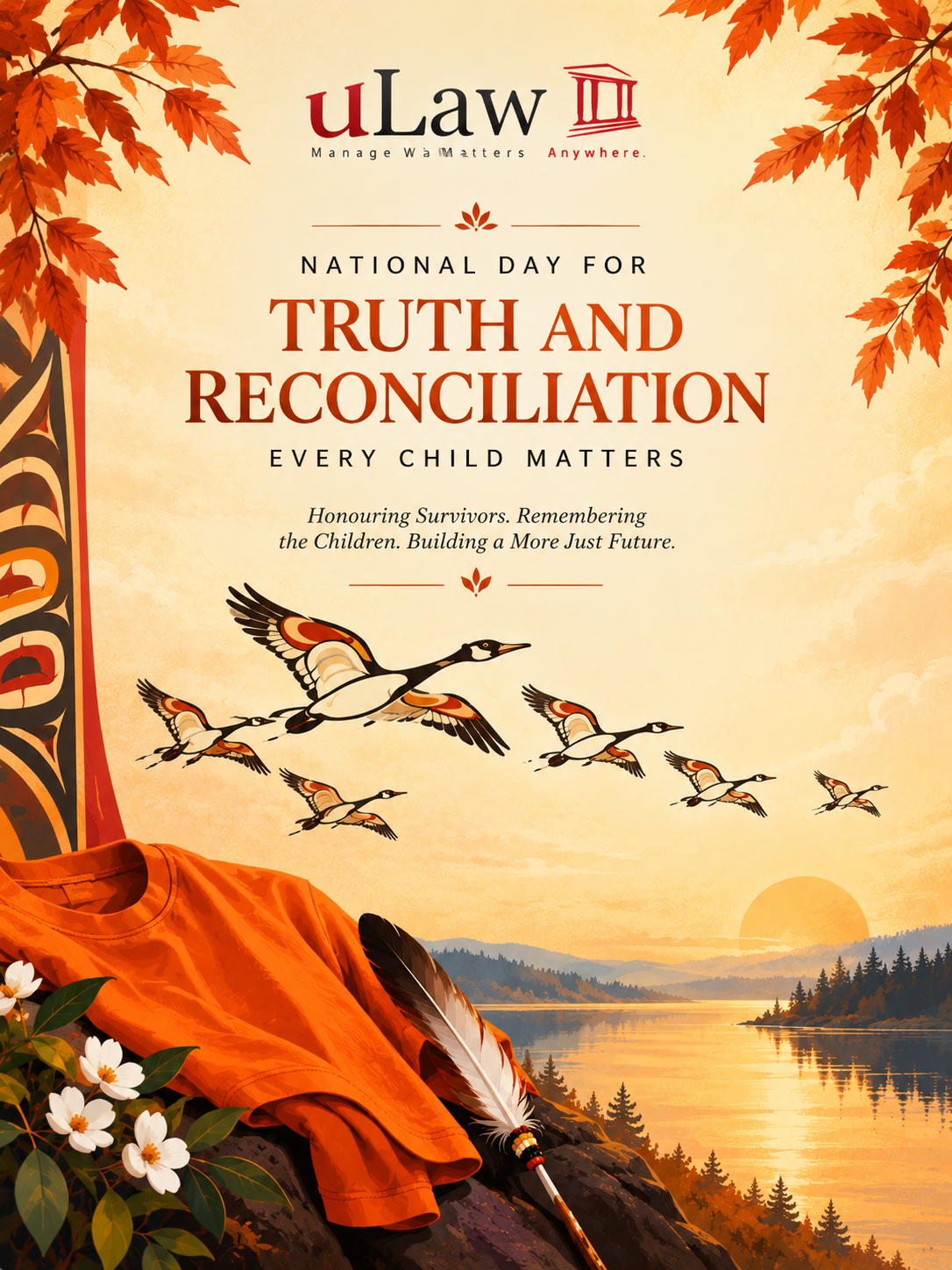
Every year on September 30, Canadians observe the National Day for Truth and Reconciliation (also recognized as Orange Shirt Day). For legal professionals—lawyers, paralegals, legal educators, and firm leaders across Canada this day holds a profound structural weight.
While legal practice management often revolves around billable hours, compliance checks, and operational efficiency, today calls us back to the core reason many entered the legal profession: to advocate for fairness, uphold justice, and serve human dignity.
The Legal Sector's Responsibility Under TRC Call to Action #27
Reconciliation is not a passive sentiment; it demands structural reflection and active learning. The Truth and Reconciliation Commission of Canada (TRC) specifically highlighted the legal sector in Call to Action #27, calling upon law societies and legal professionals to ensure education in Indigenous legal traditions, treaty rights, residential school history, and cultural competency.
As legal practitioners operating within Canadian legal frameworks, understanding the historical and ongoing impacts of colonial policy including the residential school system—is essential to delivering equitable justice.
Art, Movement, and Reflection: Remembering Benjamin Chee Chee
In commemorating this day, we reflect on the works of Benjamin Chee Chee (1944–1977), a renowned Ojibwe artist whose minimalist line work captured movement, grace, and connection.
Chee Chee’s depiction of Canada geese in flight serves as a fitting visual metaphor for the legal journey toward reconciliation:
- Connection & Community: Geese fly in unison, sharing the weight of the journey.
- Perseverance: Moving forward requires sustained collective effort.
- Freedom & Clarity: Moving past administrative and systemic friction creates room for meaningful work and justice.
Translating Reflection into Legal Practice
- Commit to Continuous Cultural Competency: Complete accredited courses on Indigenous history, rights, and legal traditions (such as The Path recommended by the Canadian Bar Association).
- Review Firm Policies: Ensure practice policies reflect inclusive, respectful engagements with First Nations, Inuit, and Métis clients and colleagues.
- Pencil in Time for Reflection: Easing administrative burdens isn't just about efficiency—it is about restoring the mental capacity required to engage deeply with ethical responsibilities and community advocacy.
Today, we pause to honor survivors, their families, and Indigenous communities across Turtle Island. Truth precedes reconciliation; let us continue the work together.